
In This Guide
- Why Your Photography Timeline is Everything
- Getting Ready & Pre-Ceremony
- First Look vs Traditional Reveal
- Ceremony Photography
- Family Formals Strategy
- Couple Portraits & Golden Hour
- Reception Coverage
- Western vs Indian Wedding Timelines
- Edmonton Golden Hour by Season
- Frequently Asked Questions
Why Your Photography Timeline is Everything
I have photographed well over a hundred weddings in Edmonton and the surrounding area, and I can tell you with complete confidence that the single biggest factor separating a good wedding album from a breathtaking one is not the camera, the lens, or even the photographer. It is the timeline. A well-planned photography timeline gives your photographer the space to create art rather than scramble. A poorly planned one leads to rushed portraits, missed moments, and that frantic feeling that follows you through the entire day.
Here is the thing most couples do not realize until it is too late: your wedding day moves fast. Impossibly fast. Those eight or ten hours you have booked feel like two. And every minute you lose to a late shuttle bus, an extended cocktail hour speech, or a getting-ready location that is 45 minutes from the ceremony venue is a minute you do not get back for portraits, candids, or simply breathing.
| Stat | Figure | Source |
|---|---|---|
| Couples Who Hire a Professional Photographer | 87% | The Knot Real Weddings Study, 2025 |
| Rank Photography as #1 Budget Priority | 34% | The Knot Real Weddings Study, 2025 |
With 34 percent of couples ranking photography as their number one budget priority, it makes sense to build your entire day around giving your photographer the best possible conditions to work with. That is exactly what this guide will help you do. Whether you are planning a classic Western ceremony at the Fairmont Hotel Macdonald or a multi-day Indian celebration, I will walk you through every phase of the day with specific time recommendations.
Getting Ready & Pre-Ceremony
The getting-ready photos are some of the most genuine, emotionally rich images from any wedding. This is where the day is still quiet. The bride is with her closest people. The groom is tying his tie for the fourth time because his hands are shaking. There is laughter, there are tears, and there is a beautiful intimacy that disappears the moment you walk down the aisle in front of two hundred people.
I always recommend starting photography coverage at least two hours before the ceremony. For Indian weddings, which often include a morning baraat and pre-ceremony rituals, I suggest three to four hours. This is not just about getting photos of hair and makeup — though those detail shots of the dress hanging in the window, the shoes lined up, the invitation suite, the jewellery, and the bridal bouquet are absolutely worth the time. It is about documenting the emotional arc of the morning.
Photographer Tip
Choose a getting-ready location with large windows and natural light. Hotel rooms with floor-to-ceiling windows are ideal. If you are getting ready at home, clear a space near the biggest window. Avoid basements. The quality of your getting-ready photos is directly tied to the quality of available light.
Here is a practical breakdown of the getting-ready timeline I recommend to my couples:
- T-minus 3 hours: Hair and makeup begins (bride and bridesmaids)
- T-minus 2.5 hours: Photographer arrives, begins detail shots (dress, shoes, rings, invitation, accessories)
- T-minus 2 hours: Candid coverage of hair and makeup process, emotional moments with mother/bridesmaids
- T-minus 1.5 hours: Bride gets into her dress (a peak emotional moment — often tears here)
- T-minus 1 hour: Bridal portraits, bridesmaids first-look reaction, group shots
- T-minus 45 minutes: Travel to ceremony venue (budget 15-20 minutes of buffer)
Meanwhile, I often send a second shooter to cover the groom getting ready. The groomsmen helping with cufflinks, the father adjusting his son’s boutonniere, the best man cracking jokes to calm the nerves — these are moments that matter deeply and are often overlooked.
First Look vs Traditional Reveal
This is one of the most common questions I get from couples, and I want to give you an honest answer rather than just telling you what I prefer. Both approaches work beautifully. The right choice depends on your priorities, your personality, and your timeline.
The First Look Approach
A first look means the couple sees each other privately before the ceremony, usually in a beautiful location with just the photographer present. The advantages are significant from a timeline perspective. You get your emotional reaction photos in soft, controlled light. You can do all your couple portraits before the ceremony, which means you are not missing your own cocktail hour. And the intimate, private moment often produces some of the most powerful images of the entire day.
Most of my couples who choose a first look are able to complete couple portraits, wedding party photos, and even some family formals before the ceremony. That means after the ceremony, you go straight to celebrating with your guests.
The Traditional Reveal
Some couples want the first time they see each other to be at the altar, with all their loved ones watching. I completely understand and respect that. The aisle reveal can be breathtakingly emotional, and I am always ready to capture that moment. The trade-off is that all your couple portraits need to happen after the ceremony, which usually means sacrificing some of your cocktail hour.
Photographer Tip
If you choose a traditional reveal, schedule 30 to 40 minutes for couple portraits immediately after the ceremony. Your guests will be enjoying cocktails and canapes. Communicate this to your wedding coordinator so the reception timeline accounts for your absence.
A first look does not spoil anything. It adds a private, intimate chapter to your love story that only the two of you will ever share. The ceremony is still magical. The aisle walk still takes your breath away.
Ceremony Photography
The ceremony is the one part of the day where nothing can be recreated. The vows, the ring exchange, the first kiss, the recessional — all of it happens once. As your photographer, my job during the ceremony is to be invisible and everywhere at the same time. I position myself for key angles, anticipate moments before they happen, and use quiet shutter modes so no one hears the camera during your vows.
For a standard Western ceremony, I recommend budgeting 30 to 45 minutes. For a Catholic mass, allow 60 to 75 minutes. For a Hindu ceremony under the mandap, you are looking at 60 to 90 minutes depending on the pandit and the rituals included. For a Sikh Anand Karaj at the Gurdwara, plan for 45 to 60 minutes for the ceremony itself, though you will want to arrive earlier for the milni and other pre-ceremony moments.
I always arrive at the ceremony venue at least 20 minutes before the ceremony begins. This gives me time to assess the light, identify my shooting positions, coordinate with any videographers, and capture guests arriving and the groom waiting at the altar.
Family Formals Strategy
Family formal photos are the one category that future generations will treasure the most. Your grandchildren will look at these images. Having a clear, organized plan for family formals saves enormous amounts of time and stress.
I ask every couple to create a family formals shot list at least two weeks before the wedding. This is not optional — it is essential. The list should include every combination you want: both families together, each family separately, parents with the couple, grandparents, siblings, and any specific groupings that are important to you.
Photographer Tip
Appoint a family wrangler — someone who knows both families and can round people up quickly. The biggest time killer during family formals is waiting for Uncle Dave to come back from the bar. A dedicated wrangler can save you 15 to 20 minutes easily.
Budget 20 to 30 minutes for a standard family formal session. For larger Indian families where extended family groupings are common, I recommend 30 to 45 minutes. Having your shot list and a wrangler makes the difference between a relaxed, efficient session and a chaotic one.
Couple Portraits & Golden Hour
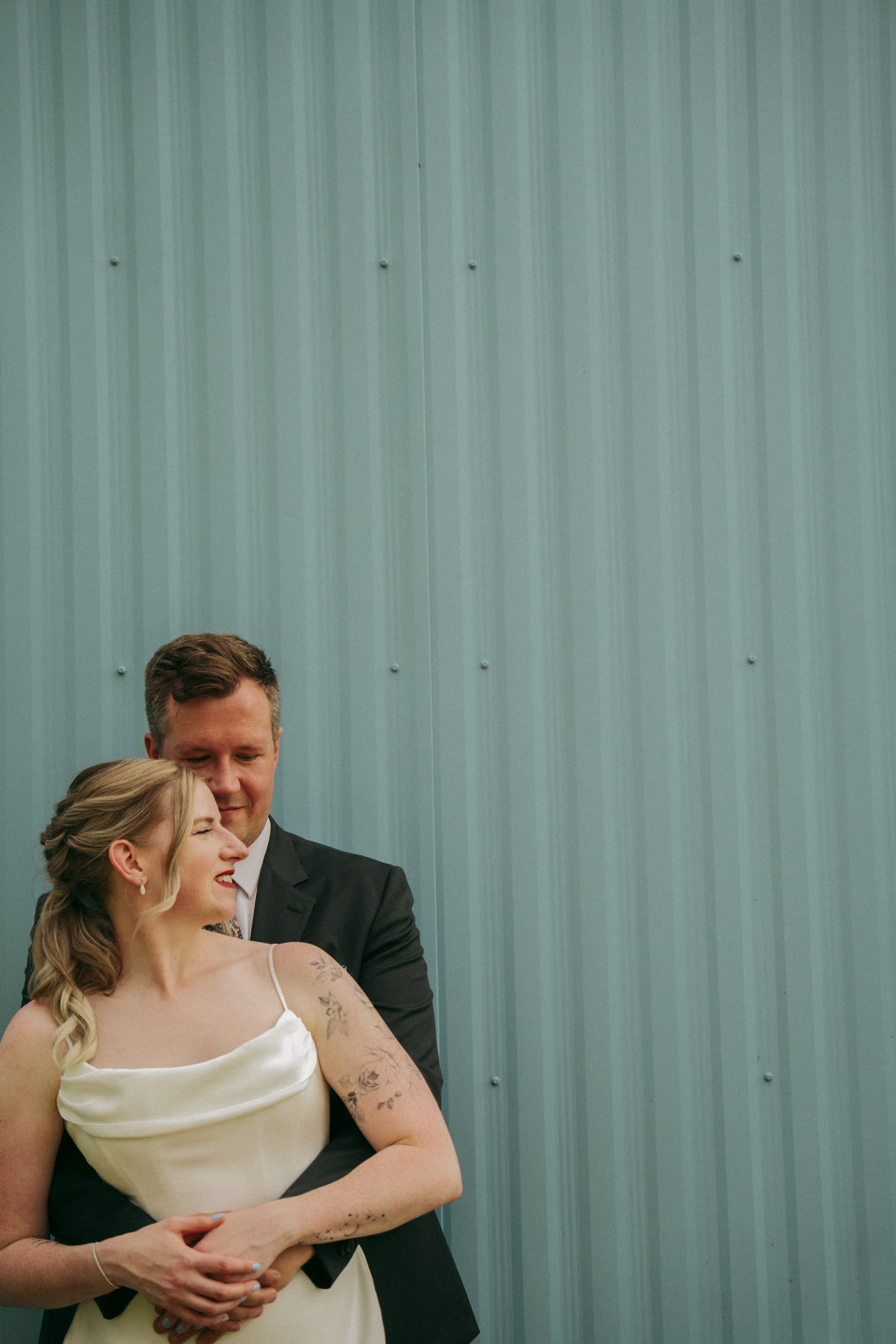
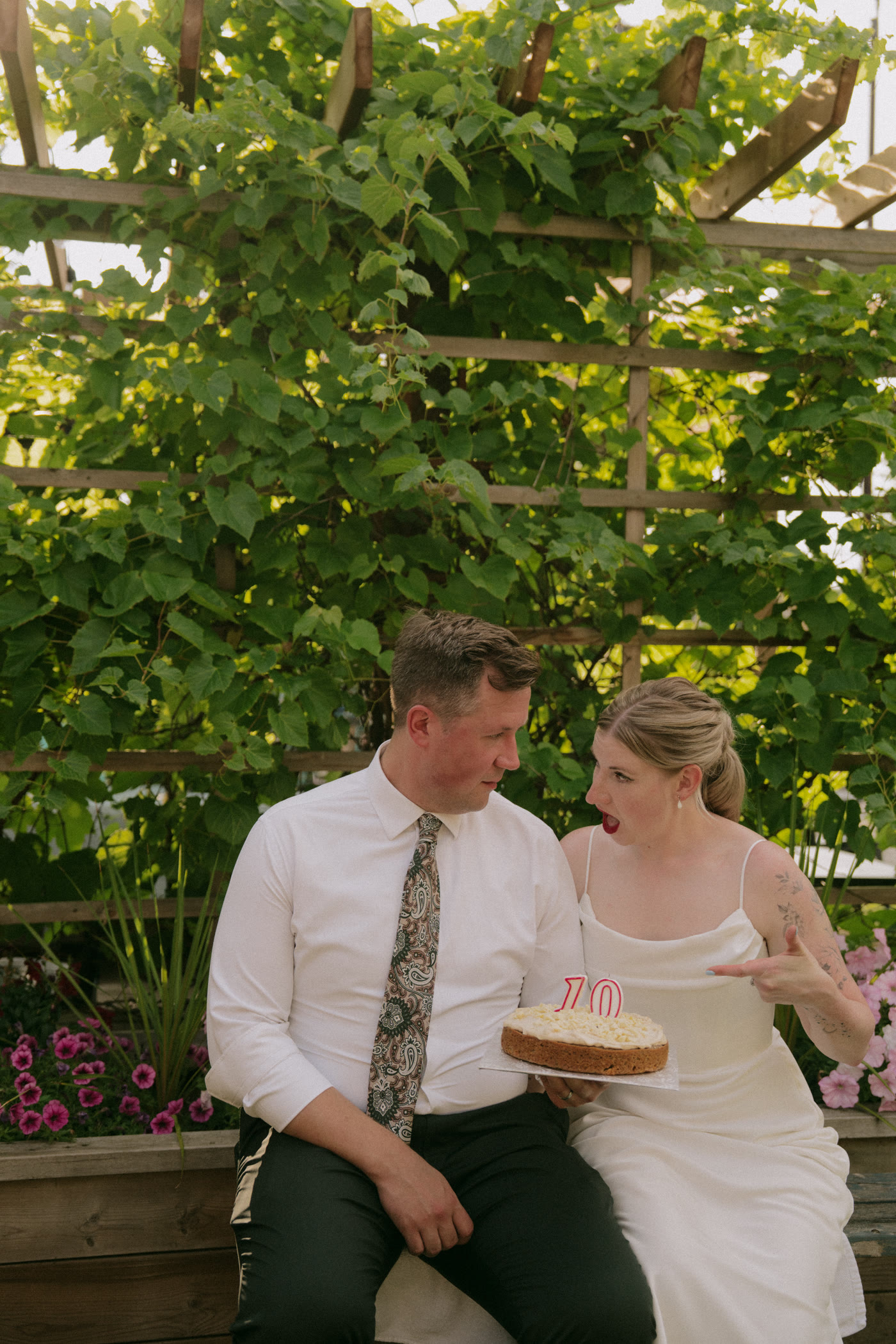
Couple portrait time is where the magic happens. This is the part of the day where we leave the guests, the timeline, and the stress behind, and I get to focus entirely on the two of you. I usually take my couples to a beautiful location — whether that is the Legislature Grounds, the Edmonton River Valley, or even just a quiet corner of the venue grounds — and we spend 30 to 60 minutes creating portraits that feel natural, relaxed, and authentically you.
The golden hour — that warm, soft light that happens in the hour before sunset — is the single best time for outdoor couple portraits. The light is flattering, the colours are warm, and everything looks like it was painted by someone who loves you. I will always, always try to schedule couple portrait time around golden hour if your timeline allows it.
| Stat | Figure | Source |
|---|---|---|
| Average Wedding Photography Investment in Canada | $2,900 | WeddingWire Canada, 2025 |
Edmonton Golden Hour by Season
Edmonton’s extreme latitude means our golden hour shifts dramatically through the year. This is critical for planning your portrait timeline:
| Season | Golden Hour Begins | Sunset | Notes |
|---|---|---|---|
| Winter (Dec-Feb) | 3:30 PM | 4:30 PM | Very short window, cold temps — plan indoor backup |
| Spring (Mar-May) | 7:00 PM | 8:30 PM | Rapidly lengthening days, unpredictable weather |
| Summer (Jun-Aug) | 8:30 PM | 9:45 PM | Longest golden hour, ideal for evening portraits |
| Fall (Sep-Nov) | 6:00 PM | 7:15 PM | Beautiful foliage, warm tones, moderate temps |
For summer weddings in Edmonton, this is actually wonderful news — you can have your ceremony at 4 PM, do family formals and cocktail hour, enjoy dinner, and still sneak away for golden hour portraits at 8:30 PM. It is one of the unique advantages of getting married this far north.
Reception Coverage
Reception photography is a completely different discipline from everything that came before. The light is low, the energy is high, and moments happen fast. Grand entrances, first dances, parent dances, speeches, cake cutting, bouquet toss, and then the party — each of these moments requires a different technical approach and a different artistic eye.
Here is the reception timeline I recommend to most of my Edmonton couples:
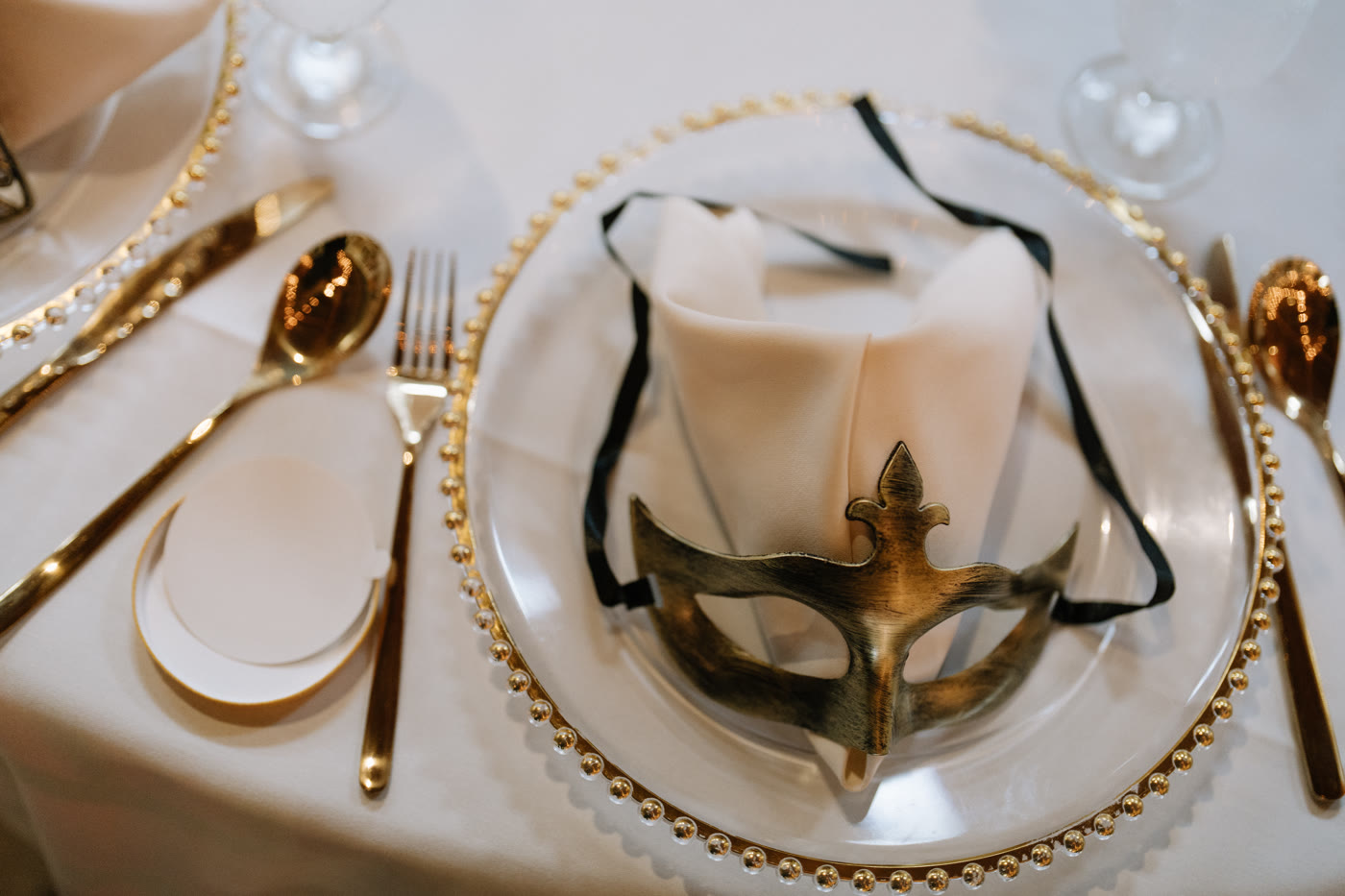
- 6:00 PM: Room detail shots (before guests enter — decor, table settings, cake, centrepieces)
- 6:30 PM: Grand entrance and first dance
- 6:45 PM: Welcome speech, blessing, dinner begins
- 7:30 PM: Speeches and toasts (I position for both the speaker and the couple’s reactions)
- 8:00 PM: Parent dances
- 8:15 PM: Cake cutting
- 8:30 PM: Golden hour sneak-away for sunset portraits (summer weddings)
- 9:00 PM: Dance floor opens — this is where the real party starts
- 10:00 PM: Bouquet and garter toss (if applicable)
- 10:30 PM: Sparkler or confetti exit (if planned)
I always recommend that couples planning a wedding in Edmonton budget for at least 10 hours of photography coverage. This gives us the full arc from getting ready through the last dance. If your budget allows, 12 hours ensures we never feel rushed.
Western vs Indian Wedding Timeline Comparison
One of the things I love about my work is the diversity of celebrations I get to photograph. A Western wedding and an Indian wedding have completely different rhythms, and the timeline needs to reflect that. Here is a side-by-side comparison that I share with all my couples during our planning consultations:
| Time Block | Western Wedding | Indian Wedding (Single Day) |
|---|---|---|
| 8:00 – 10:00 AM | — | Baraat procession, groom arrival, milni ceremony |
| 10:00 AM – 12:00 PM | Hair & makeup begins | Main ceremony (Hindu mandap or Sikh Anand Karaj) |
| 12:00 – 1:00 PM | Getting ready photos | Lunch and family formals |
| 1:00 – 2:00 PM | First look (optional) | Couple portraits (if between events) |
| 2:00 – 3:00 PM | Couple & wedding party portraits | Break / outfit change for reception |
| 3:00 – 3:30 PM | Family formals | — |
| 3:30 – 4:00 PM | Guest arrival | — |
| 4:00 – 4:45 PM | Ceremony | — |
| 5:00 – 6:00 PM | Cocktail hour | Reception venue setup |
| 6:00 – 6:30 PM | Grand entrance, first dance | Grand entrance with couple |
| 6:30 – 8:00 PM | Dinner & speeches | Dinner, speeches, performances |
| 8:00 – 8:30 PM | Parent dances, cake cutting | Cake cutting, vidaai (bride’s farewell) |
| 8:30 – 10:30 PM | Dance floor & party | DJ/bhangra dancing, doli departure |
For multi-day Indian celebrations with a mehndi, sangeet, and main wedding day, I offer dedicated multi-day packages that cover each event fully. The timeline above shows a condensed single-day version, but many families choose to spread these events over two to four days.
| Stat | Figure | Source |
|---|---|---|
| Average Indian Wedding in Canada | $100,000+ | Plan Events Canada, 2025 |
Key Takeaways
- Build your entire wedding day around your photography timeline — not the other way around
- Start photographer coverage at least 2 hours before the ceremony (3-4 hours for Indian weddings)
- A first look gives you more portrait time and a private emotional moment — but both approaches work
- Create a family formals shot list and appoint a family wrangler to save 20+ minutes
- Know your golden hour time by season — Edmonton shifts from 3:30 PM in winter to 8:30 PM in summer
- Budget for 10-12 hours of coverage to capture the full arc of your day
- Indian weddings need 12-16 hours of coverage per event day minimum
Let Us Build Your Perfect Timeline Every wedding is unique, and your photography timeline should be too. I create customized timelines for every couple I work with — whether it is a 6-hour elopement or a 4-day Indian celebration. Let us chat about your day. Get in Touch
Frequently Asked Questions
How many hours of photography do I need for my wedding? For a standard Western wedding, I recommend 8 to 10 hours to cover getting ready through the reception. For Indian weddings, 12 to 16 hours per event day is typical. Elopements and micro-weddings can work beautifully with 4 to 6 hours. Check my packages and pricing for options.
Should we do a first look? There is no wrong answer. A first look gives you a private moment and more time for portraits before the ceremony. A traditional reveal preserves the aisle surprise. I have seen both produce incredible, emotional images. Choose what feels right for you as a couple.
What if our ceremony runs long and it pushes back the portrait time? This is exactly why I build buffer time into every timeline. I typically add 15 to 20 minute buffers between major phases. If we lose portrait time, I adapt — shorter cocktail hour sneak-away, or we shift to golden hour portraits later. Flexibility is part of the job.
How long do family formals take? With a prepared shot list and a family wrangler, 20 to 30 minutes for a standard Western wedding. For larger Indian or South Asian families, 30 to 45 minutes. Without a plan, this can easily balloon to 60 minutes — which eats into your couple portrait time.
Can you help us create our wedding day timeline? Absolutely. Timeline creation is included in all my wedding packages. During our planning session, we will build a minute-by-minute timeline together based on your venue, ceremony type, bridal party size, and priorities. I coordinate with your other vendors to make sure everything flows.
What happens if it rains and we planned outdoor portraits? We always have a rain plan. I scout indoor backup locations at every venue before the wedding day. And honestly, some of my favourite portraits have been in the rain — an umbrella, some moody light, and a couple in love makes for incredible images. Edmonton weather keeps us on our toes.
Explore my full portfolio or browse wedding galleries to see real wedding day timelines in action.