

In This Guide
- What Happens at a Choora Ceremony
- Who Takes Part: Mama, Mami and Family
- The Moments I Make Sure to Photograph
- Kalire: Tying, Shaking and the Bride’s Friends
- Planning the Morning: Choora, Maiyan, Getting Ready
- Light and Space at Home
- Photo, Video or Both for the Choora?
The choora is one of the smallest events of a Punjabi wedding and one of the most emotional. It usually happens at home, with close family packed into one room, and it is over quickly. If nobody plans for it, it is also the event that ends up with the fewest good photos.
This guide covers what usually happens, who does what, and how I plan the morning so the choora gets the attention it deserves. One thing first: every family does it a little differently. What follows is how the choora is commonly practised, not a rulebook. Your mom, your nani and your mama know your family’s way, and that is the version we photograph.
What Happens at a Choora Ceremony
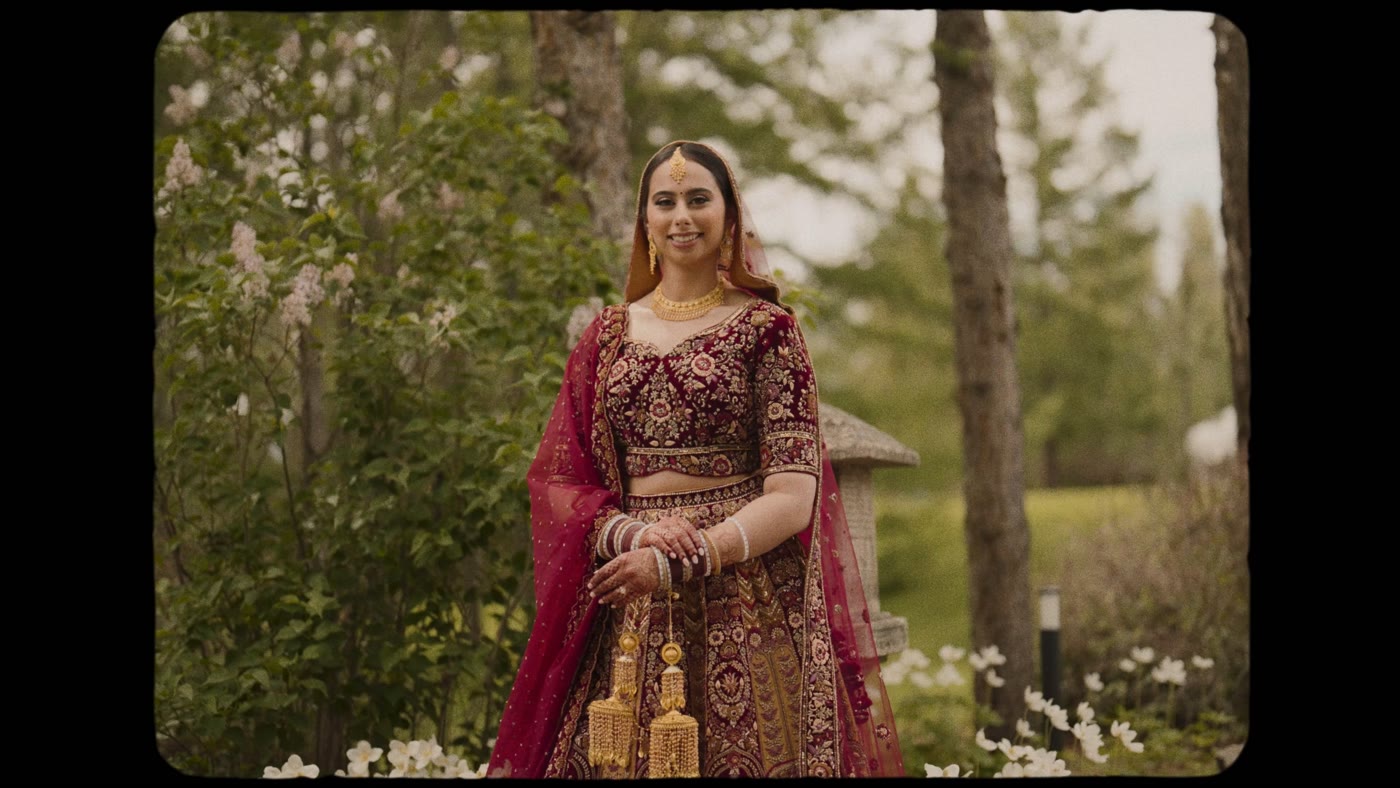
The choora (also spelled chura or chooda) is the set of bridal bangles a Punjabi bride wears on her wedding day and for a while after it. The set is traditionally red and ivory or red and white. The encyclopedia entry on the chura notes that the ceremony is held on the morning of the wedding or the day before, and that the bride’s maternal uncle and aunt give her the bangles.
It is part of both Hindu and Sikh Punjabi weddings. The Punjabi wedding traditions entry describes the rituals at the bride’s home starting with the choora: family members touch the bangles and give her their good wishes, and then relatives and friends tie kalire to them.
The Encyclopaedia of Sikhism describes the same idea from the maternal family’s side. The bride’s nanake, her mother’s family, give her wedding clothes and gifts, and those gifts may include ivory bangles. Both sources put the choora firmly with her mother’s side of the family.
How long she wears it afterwards varies. Traditionally it was a full year, and the chura entry notes that many brides now wear it for a much shorter time. Ask the elders in your family what they expect, because that decision is theirs, not mine.
Who Takes Part: Mama, Mami and Family
The mama, the bride’s mother’s brother, is the centre of the choora. The Punjabi traditions entry says the oldest maternal uncle and aunt play an important role, and in many families the mama and mami put the bangles on together. In other families every mama present takes a turn, or the mami leads.
Around them you will usually find:
- the bride’s mother and her nani (maternal grandmother), sitting closest;
- the mami, helping with the bangles and the kalire;
- sisters, cousins and friends waiting with the kalire in their hands;
- an elder leading a short prayer, if your family includes one.
For photos, the people matter more than the bangles. A mama sliding a choora onto his niece’s wrists with wet eyes is the photo. So I want to know who he is before he walks in. Send me names and a phone photo of the key relatives if you can, and point him out to me when he arrives.

The Moments I Make Sure to Photograph
A choora moves fast. A bangle goes on in seconds, and then the room moves on. Here is my shot list for the event:
- The choora before anyone touches it. In its box or on a tray, with the kalire beside it, in window light. I do this first, before the room fills up.
- The mama and mami arriving. The greeting at the door, and the bride seeing them.
- Hands. His hands, her wrists, the bangles going on one at a time.
- Her face when she sees them on. Then her mother’s face, which is often the more emotional one.
- The blessings. Family touching the choora and giving their wishes, one after another.
- The maternal family together. The bride with all her mamas, mamis and her nani. It is often the only photo of that group on the whole wedding, so I always ask for it.
- The details after. The choora with her mehndi, and the kalire hanging from her wrists.
I stay close and keep moving around the bride rather than asking anyone to pause. Nobody should have to redo a blessing for a camera.
Kalire: Tying, Shaking and the Bride’s Friends
Kalire (also kaleere or kaliras) are the dangling gold- or silver-toned ornaments tied to the bangles. The encyclopedia entry on the kaleera says they are tied to the bride’s wrists by her sisters, friends or maternal aunt, and that the dome-shaped part once held dried fruit and snacks for her journey after the wedding.
Then there is the part everyone waits for. After the wedding ceremony, the bride shakes her kalire over the heads of her unmarried friends and cousins. The Punjabi traditions entry describes the belief: if a piece falls on a girl’s head, she will be the next to marry. Expect squealing, ducking and some very competitive cousins.
Two practical notes:
- Tying kalire takes longer than people think. Many people want a turn, and that is lovely. Just build it into the morning instead of squeezing it in.
- The shake happens later. Tell me when your family plans it, usually after the ceremony, so I am standing in front of the bride and not behind her.
Planning the Morning: Choora, Maiyan, Getting Ready
Many Punjabi families fit several things into the same morning or the day before: the maiyan (the turmeric paste), the choora, the bath, then hair, makeup and the outfit. The Mayian entry lists the choora among the rites held at the couple’s parental homes around the maiyan. The exact order is your family’s call. Here is how I plan around it:
- Send me the order a week before. Who arrives when, which room, and when the mama is expected.
- Keep the choora and kalire away from the turmeric. Maiyan paste stains. I photograph the choora and kalire as details before the maiyan starts.
- Leave real time between events. If makeup has to start the second the choora ends, the choora gets rushed. A buffer keeps everyone calm.
- Make sure the mama knows the time. The whole event waits for him.
- Tell me what is happening at the groom’s home. If the groom has events the same morning, a second photographer, which comes with the larger packages, lets us cover both. If not, we decide together what matters most.
If the choora is part of a longer celebration, my multi-day wedding coverage guide shows how the events fit together, and my haldi ceremony guide covers the turmeric side of the morning. If everything happens on the wedding day itself, the choora is simply the first chapter of a single-day wedding. For the full list of Punjabi wedding events, see my Punjabi wedding planning guide for Edmonton.

Light and Space at Home
Most chooras happen in a living room, and a full living room is darker than people expect. A few small choices make a big difference:
- Pick the room with the biggest window. Seat the bride facing it or side-on to it, never with her back to it.
- Turn off the mixed lighting. Warm ceiling bulbs plus daylight can turn skin two different colours in one photo. One clean light source is better, and I can add a little light of my own when the room needs it.
- Leave space on one side of the bride. Elders will want to sit close, which is perfect. Just keep one side open so I can move without climbing over anyone.
- Clear the background. Laundry baskets, shoe piles and the TV all end up in photos. A plain wall, or a dupatta pinned up behind her, works if the room is busy.
This is also where true colour matters. A choora is a specific red, and a bride’s skin should look like her skin. I keep colours and skin tones true to life, never grey, orange or washed out.

Photo, Video or Both for the Choora?
Photos give you the frames you will print: the bangles, the hands, the faces. Video gives you the sound. The Mayian entry describes women singing traditional songs about maternal uncles while the bangles go on, and that is exactly the kind of thing only video keeps. So is your mama’s voice when he blesses you, and the laughter when two kalire get tangled together.
If you are choosing one, choose by what you would miss more: the look or the sound. If video is on your list, my Indian wedding videography page shows how I film events like this one.
Planning a choora at home in Edmonton? Tell me your family’s order for the morning, where it is happening and who is coming, and I will help you plan it so nothing gets rushed.
Frequently Asked Questions
What is the choora ceremony?
It is the Punjabi ritual where the bride receives her bridal bangles, usually from her mama and mami, at home before the wedding. Relatives then tie kalire to the bangles. The details vary from family to family.
When is the choora ceremony held?
Usually on the morning of the wedding or the day before. Your family’s timing decides it, and I plan my coverage around that.
Who puts the choora on the bride?
Traditionally the bride’s maternal uncle (mama), often together with his wife (mami). In some families several maternal relatives take part.
Should the photographer arrive before the choora starts?
Yes. I want time to photograph the choora and kalire as details before anyone touches them, and to see the room and the light before the family arrives.
See more Punjabi and Sikh celebrations in my Indian wedding gallery.